
Academic Year in Review: Seton College
9/11/2026
From First-Year Experiences to the First Graduates, Seton College Celebrated a Year of Learning, Leadership, Community, and Possibility
During the 2025-2026 academic year, Seton College had a year to remember. Just two years after welcoming its inaugural class, Seton College celebrated a defining moment in its young history as its first graduates crossed the Commencement stage, associate degrees in hand and new possibilities ahead. Their achievement represented far more than the completion of a degree—it was a celebration of perseverance, opportunity, community, and the transformative power of an education designed to meet students where they are and help them discover just how far they can go.
Throughout the year, Seton College continued to bring its distinctive approach to education to life. Students connected classroom lessons to service in their communities, conducted and presented original research, explored careers, built relationships with mentors and industry professionals, developed as leaders, and experienced all that comes with being part of the Mount community. Along the way, they strengthened not only the knowledge and skills that will prepare them for what comes next, but also the confidence to recognize their own potential.
And while Commencement marked the end of one extraordinary chapter, it also signaled the beginning of another. Some members of Seton College’s first graduating class are continuing their education toward bachelor’s degrees, while others are taking their next steps into the workforce. At the same time, a new generation of Seton students is following in their footsteps—building upon a community that, in just two years, has already shown what can happen when access, academic excellence, and an unwavering belief in students come together.
Keep reading to learn more about student and faculty accomplishments this year!
Academic Updates
Associate Dean for Academics at Seton College Katie Alexander, PhD has helped shaped Seton College’s distinctive academic model, grounded in 4 core principles: inclusive, experiential, strengths based, and rooted in community engagement. These principles guided teaching and learning across Seton College during the 2025-2026 academic year, from service learning to inquiry-based problem solving to the integration of career-relevant analytical skills.
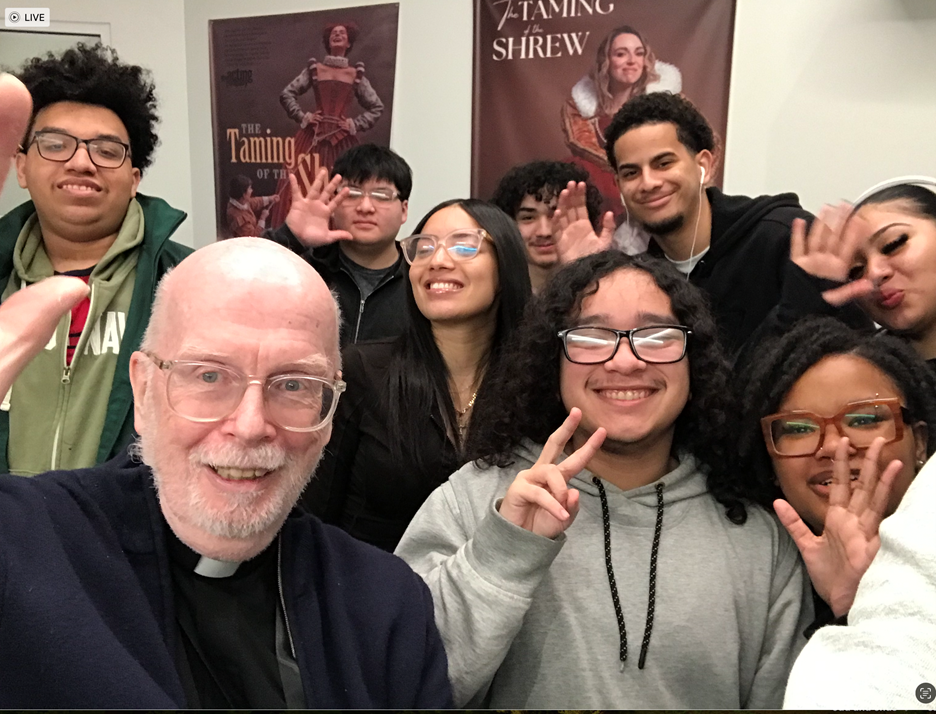
Throughout the 2025-2026 academic year, experiential learning extended across disciplines. In religious studies courses, taught by Teaching Assistant Professor of Religious Studies Christina Bryant, PhD, students did more than just talk about religion in the classroom—they attended a worship service in a faith tradition different from their own, visited the University’s Chapel of the Immaculate Conception as part of their coursework, and engaged with members of the Sisters of Charity of New York, who visited classes to share their perspectives on the University’s religious heritage, history, and philosophy.
Students connected classroom theory to real world issues. Beginning with the Summer Program, students completed a service project and worked weekly with a faculty member on structured critical reflection papers that analyzed their community experiences. The experience was designed as a developmental sequence that continued into the Fall semester with a second service project. Their reflection papers in the Fall required them to connect their experiences in the community to the theories, concepts, and course content they were learning in the classroom—reinforcing the relationship between academic knowledge and real-world application. This curricular progression culminated in their second year, when students took a semester long service-learning course where they had the opportunity to dig deep on an issue they cared about and apply what they learned in the community.
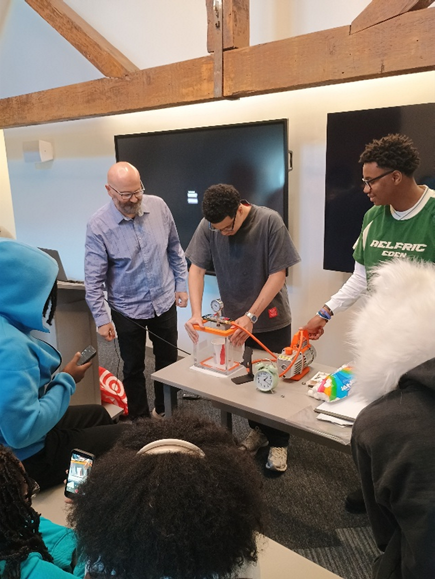
When reflecting on the past academic year, Teaching Assistant Professor of Mathematics and Science Hani Ahmar, MS shared that it has been a joy to witness a meaningful transformation in so many Seton College students’ attitudes toward science, critical thinking, math, and data-driven learning. At the beginning of the semester, students enrolled in Professor Ahmar’s Making Sense of Science in the News course entered the classroom with limited confidence and a tendency to accept viral content or social media claims without question. But through structured assignments and hands-on inquiry, that pattern began to shift. In a world flooded with influencers promoting shortcuts to success without education, students began the year skeptical. By the end of the semester, they were asking, what are we learning today, professor? Their thirst for knowledge was clear.
Teaching Assistant Professor of Business Marsha Alejandro, MA, MBA, MEd shared that, this year, she introduced her students to R, a programming language used for data analysis and statistical computing, as part of the Business Analytics course. She demonstrated how R can be used to analyze data and support business decision-making. Learning R exposed students to a practical, industry-relevant tool that provides a foundation they can continue to build through practice and apply in both future coursework and the workplace. Helping students connect classroom concepts with real-world analytical tools has been one of the highlights of Professor Alejandro’s teaching this year.
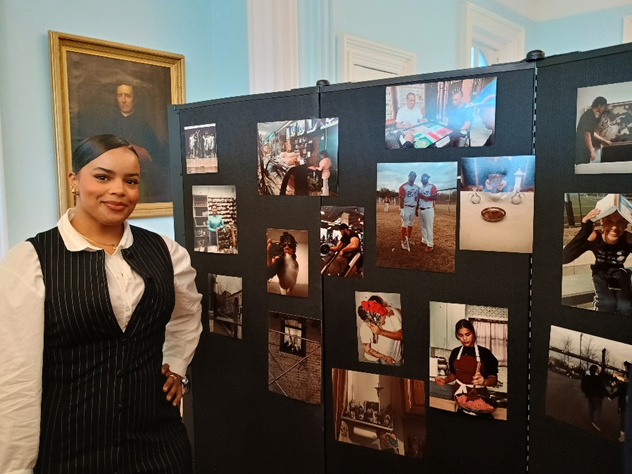
Yet still, one of the biggest highlights of the year was when six students presented at the University-wide Center for University Research Symposium in April, and another five presented at the Seton College mini symposium. The work of these emerging researchers was impressive—across disciplines, students formulated questions, collected and analyzed evidence, and communicated their findings. For example, some students studied commonly marketed face washes. They used cotton swabs to test for bacteria after using the facewash or using water over a period of two weeks and compared bacteria growth to determine if the facewash actually did decrease bacteria as the marketing said it would. Other students presented creative writing, photography, or statistical analyses.
And, of course, of this meaningful work culminated in May when the first cohort of Seton College student crossed the Commencement stage and earned their associate degrees! Several students will continue toward earning a bachelor’s degree, while other will begin to launch their careers.
Seton College in the Media
The Spring 2026 semester ushered in wonderful opportunities for Seton College to be featured across various media and news outlets to spread the word of the program and the students it serves.
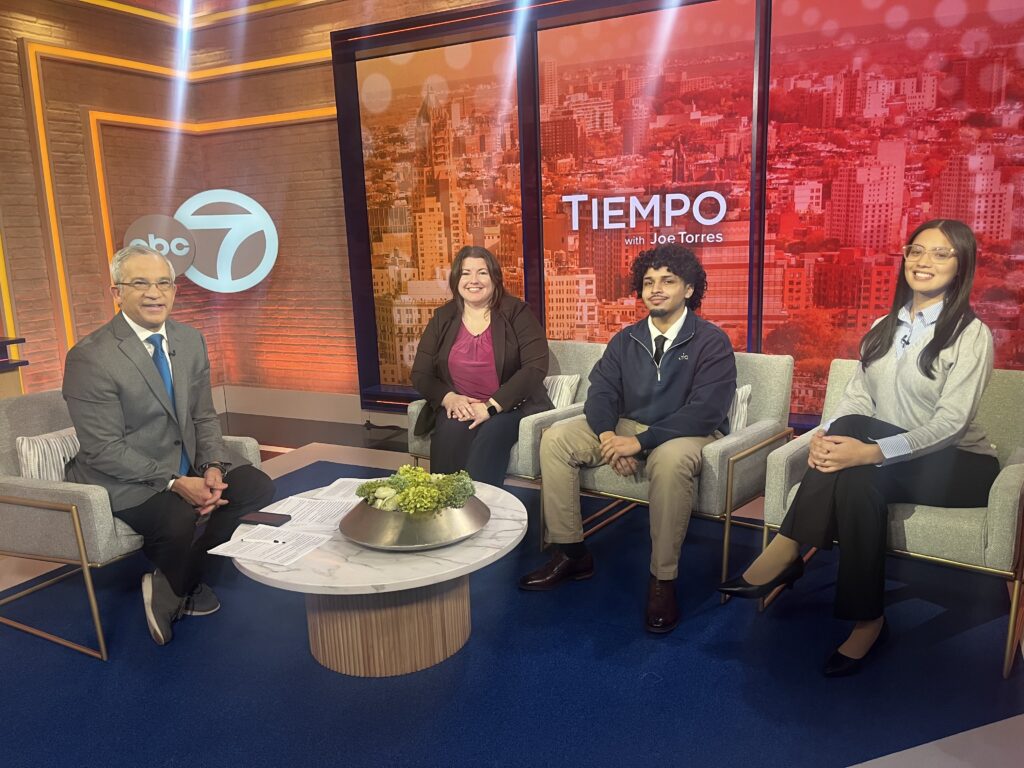
In January 2026, Dean of Seton College Brianne Wetzel, alongside students Jaden Baldeon and Danyeli Jimenez were interviewed on ABC7’s Tiempo to discuss Seton College’s associate degree program.
In March 2026, Associate Dean for Student Success and Engagement Sharon Ortega was featured on BronxNet’s Diálogo Abierto, a Spanish-language program, to discuss the importance of ensuring education is accessible to all.
And then Seton College student Jaden Baldeon was once again featured, this time in The New York Times as part of their “Affording New York” series, discussing how he balances work, family responsibilities, financial goals, and his plans to continue his education.
Student Engagement Updates
Kicking off a new academic year, Associate Dean for Student Success and Engagement at Seton College Sharon Ortega ensured that all Seton College students—both returning and new—felt at home in their community. Starting early in the Fall 2025 semester, the annual UMSV Matriculation Ceremony welcomed first-year students as they celebrated and marked the official the start of their college journey. Following the Ceremony, students attended ’Phin Fest, an afternoon barbecue that included a club and organization fair.
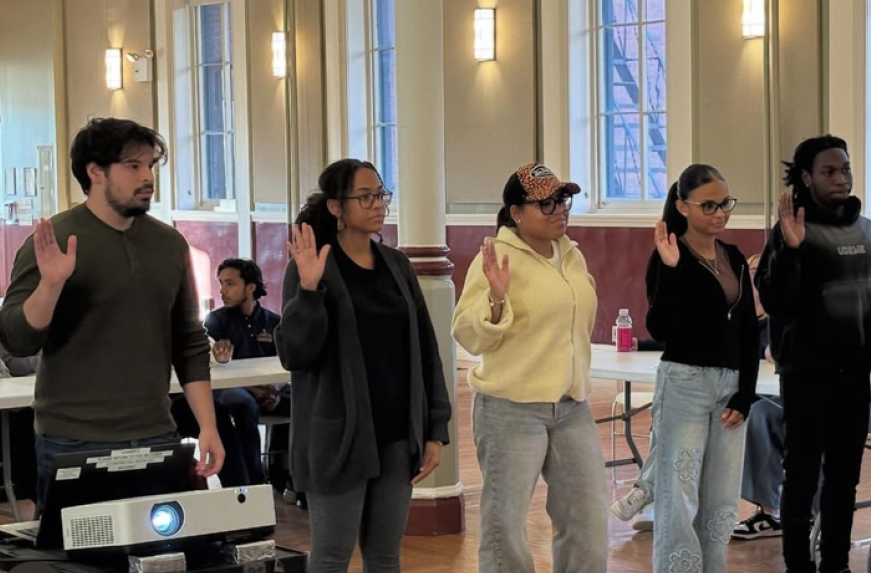
The month of September also included Student Government Association (SGA) elections for Seton College representatives. Seton College’s second SGA executive board assumed leadership roles on October 1, 2025.
As October rolled around, students participated in the second annual Seton in the City Tour De Bronx biking experience. Seton College students joined over 4,700 bike riders across the Bronx. The students teamed up with the UMSV men’s volleyball team to take part in a 25-mile route.
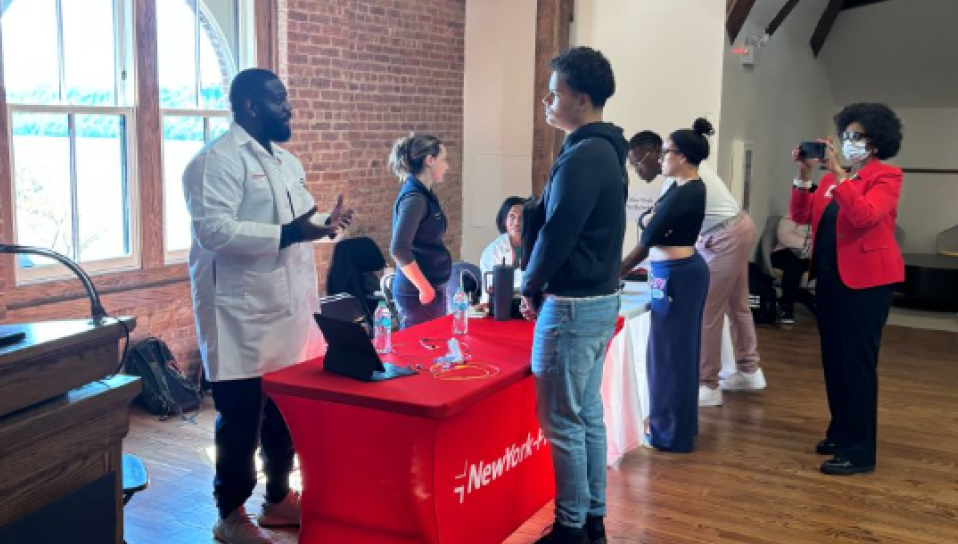
And, of course, career readiness remains a cornerstone of the Seton College experience. Seton College’s second annual Career Mixer, held in October 2025, brought together local businesses and organizations, along with representatives from New York-Presbyterian, Saint Joseph’s Medical Center, the New York City Police Department (NYPD), and the New York City Fire Department (FDNY). Through events like these, Seton College students have the opportunity to build professional connections, learn about diverse career pathways, and gain valuable insights from industry leaders and community partners.
And as if October wasn’t busy enough, Seton College students also participated in Dolphin Discovery Day, a majors exploration fair, where they met academic deans and learned about specific career pathways. Seton students also collaborated with UMSV’s Conservatory and the Bronx Arts Ensemble in honor of Hispanic Heritage month for a special Latin American concert. Throughout the concert, students introduced various musical pieces in Spanish.
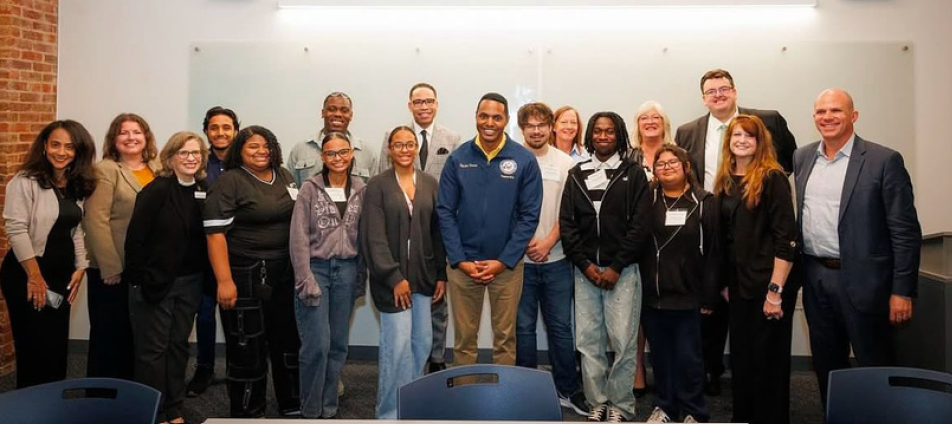
October also included the official launch of Seton College’s mentorship program and an inaugural tribute to the Nobel Prize, where students presented on past winners in physics, chemistry, medicine and literature. And, of course, students participated in a wide range of networking opportunities aimed at strengthening their social capital by cultivating meaningful engagement with community leaders and their mentors.
The Fall Semester concluded with the second annual Seton in the City trip to Bryant Park. Bryant Park offers free ice skating with holiday-themed New York City as its backdrop. This annual trip is a Seton College favorite and is organized by Seton College’s SGA executive board each year.
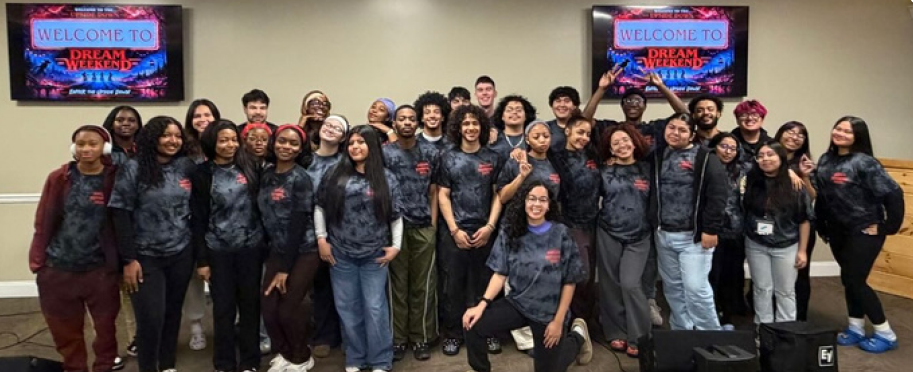
In Spring 2026, Seton College continued to build opportunities for student involvement and leadership development. The launch of Seton College’s student-led Academic Study Sessions provided students with both academic and leadership growth. Additionally, a Black History Month Poetry Contest presented the opportunity for students to submit creative writing pieces. Seton College students also attended UMSV’s annual DREAM Weekend, a student leadership development experience for first- and second-year students.
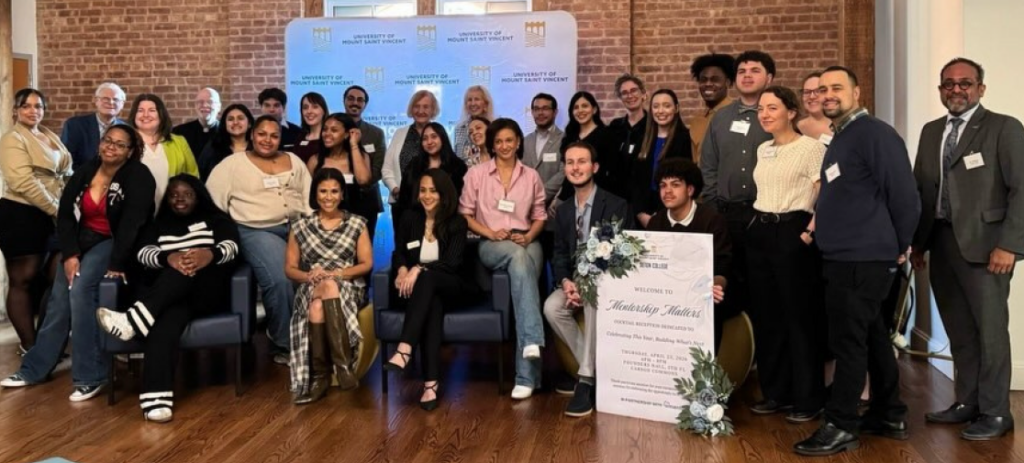
Seton College also launched its mentor-led Career Coaching sessions in the Spring. Through these sessions, students in Seton College’s Mentorship Program discussed their career goals with their mentors and together embarked on a career exploration journey.
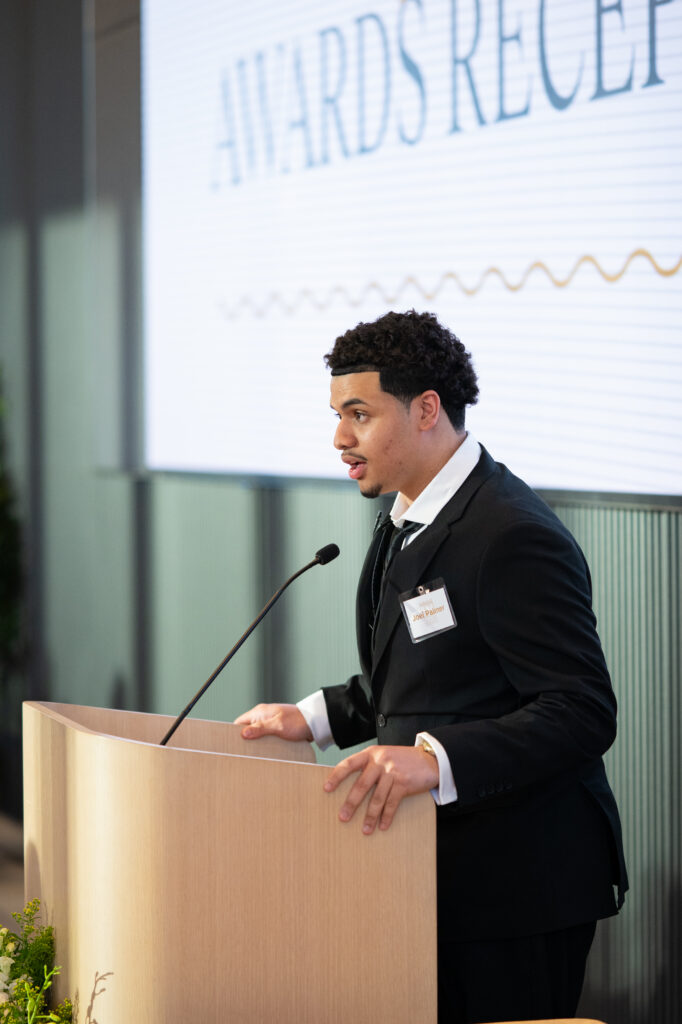
As the warmer months arrived, Seton College organized many celebrations honoring its first graduating class. Graduating students were celebrated with a beautiful brunch and award ceremony ahead of Commencement. And several students were selected to represent Seton College at this year’s Scholarship Benefit and Awards Reception. Seton College student Joel Palmer was honored as he was selected as this year’s student speaker, where he shared testimony of his experience as a Seton College student and how scholarships helped transform his life.
And, finally, there were more special moments than there were to count as the first graduating cohort crossed the Commencement stage in May! And Seton College’s own Teaching Assistant Professor of English and UMSV Chaplain Fr. Bill Cain, SJ served as this year’s Commencement Speaker.
About the University of Mount Saint Vincent
Founded in 1847 by the Sisters of Charity, the University of Mount Saint Vincent offers a nationally recognized liberal arts education and a select array of professional fields of study on a landmark campus overlooking the Hudson River. Committed to the education of the whole person, and enriched by the unparalleled cultural, educational, and career opportunities of New York City, the University equips students with the knowledge, skills, and experiences necessary for lives of achievement, professional accomplishment, and leadership in the 21st century.